Every tax pro has that client.
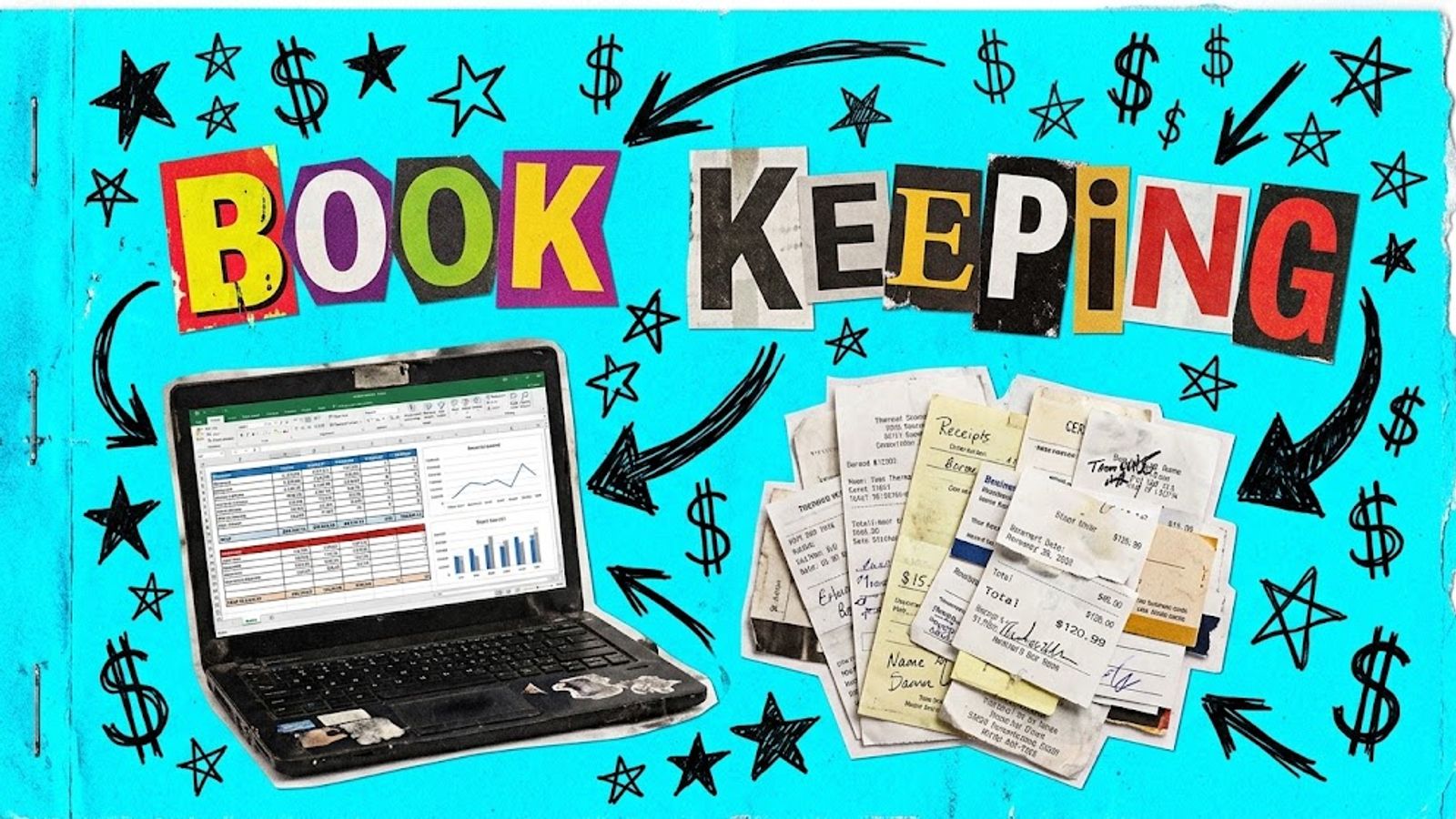
The one who shows up with a shoebox of wrinkled receipts and a twelve-month bank export, and expects you to be their bookkeeper too. The work is real revenue. It is also hours of judgment-free sorting that eats the time you bill your judgment for.
That sorting is exactly the shape of work AI does well, if you build the agent correctly. And the difference between correct and dangerous comes down to one rule we drilled in the session that built it: flag, do not guess.
Your rules, not its guesses
A generic AI will happily categorize anything you paste in, and that is the problem. It does not know your risk posture. It does not know whether you book to broad buckets or map to tax-form lines. Two preparers can look at the same receipt and book it three different ways, and the agent has to book it your way.
So before it touches a transaction, the system captures your rulebook: how aggressive deductions run, conservative to aggressive or set per client. What the categories look like and whether they match your software's chart of accounts. What happens with owner and personal spending on business accounts. What the output should be, from a clean table to an import-ready file.
Then the standing conventions get encoded so they apply automatically: draws are equity and never expenses, transfers between a client's own accounts are neither income nor expense, processor deposits book as gross sales with the fee as an expense instead of the lazy net number, sales tax collected is a liability, meals carry their deduction rate.
Flag, do not guess
With the rulebook loaded, a run is simple: drop in the export or the receipt photos, get back a summary, the categorized results with subtotals, and the part that matters most, a needs-review queue.
Anything ambiguous, personal-looking, or high-scrutiny does not get silently guessed. It gets flagged with the agent's best read and the likely alternatives, so you decide in seconds instead of hunting for problems in five hundred rows. The agent never alters a number, and the final call on the return stays yours. It also learns: correct a vendor once, save the rule, and it books the same way every future run.
The room ran real receipts through it live and walked out with clean output the same hour.
Get the three-prompt system
The full session, the replay, and all three prompts are free here: the practice profiler, the categorization rulebook interview, and the categorizer you run every time a shoebox arrives.
Reading how it works is not the same as watching your own client's export get sorted while you can ask why. Every Friday at 12pm ET we build the next system, live and free, and you keep every prompt. Save your seat for this Friday.